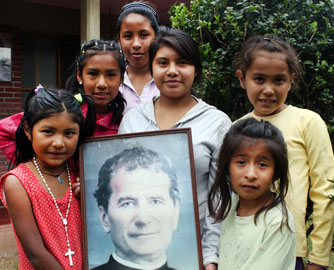
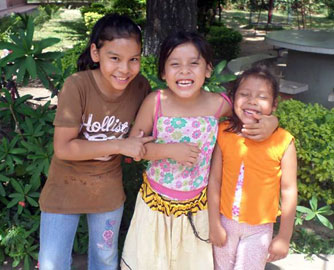
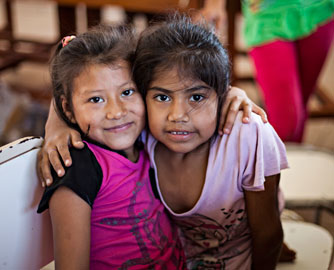
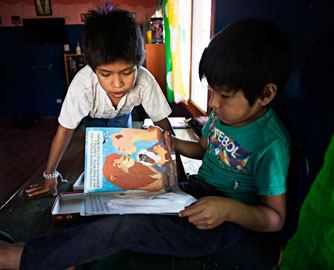
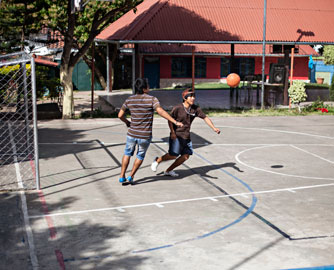
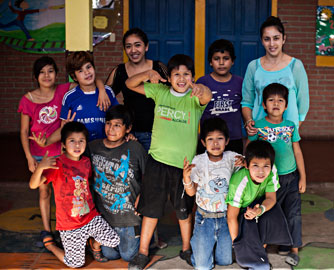
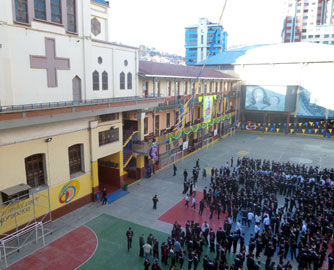
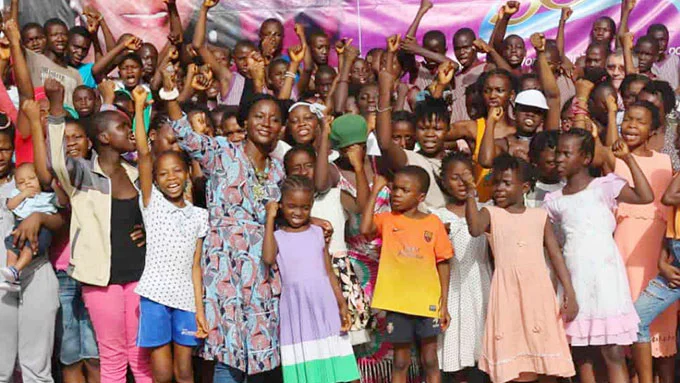
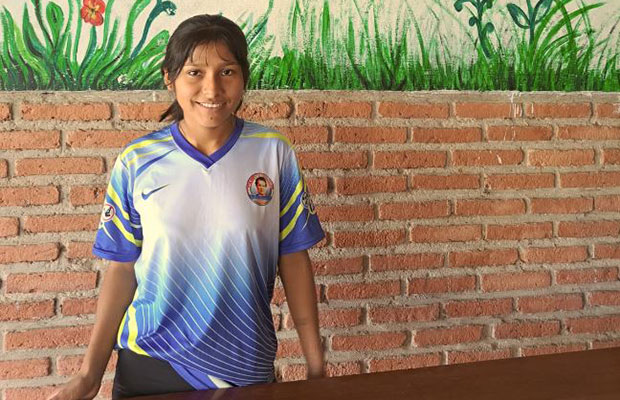
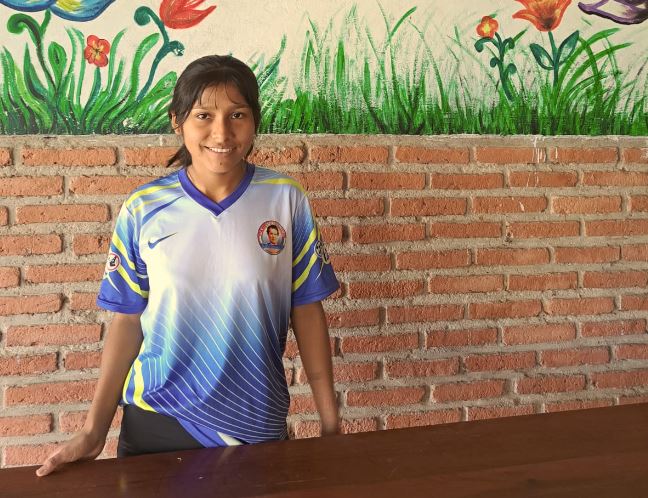
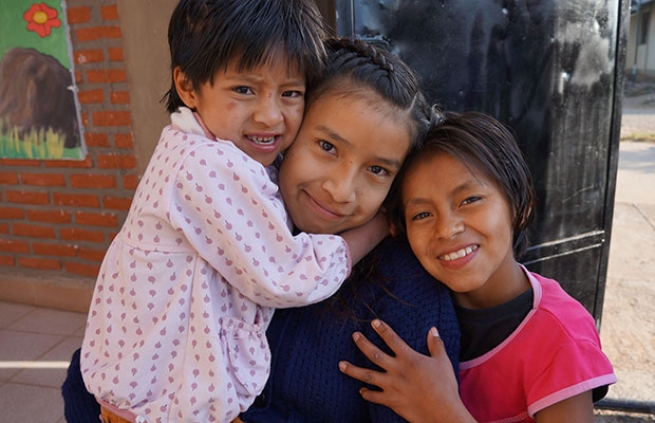
Started in 1992, the Casa Maín girl’s home in Santa Cruz, Bolivia, provides shelter, nutritious meals and schooling for girls and young women who have little access to education and those who were once living on the streets. Currently, there are more than 160 girls living and being educated at the home.
Casa Maín is comprised of three houses, and the girls are divided among them by age. The youngest girls, attending elementary school, live together in one house supported by several volunteer students from the secondary school. A second house provides shelter and peer support for girls attending secondary school while a third house is for young women attending the local university. The university students enjoy a setting that allows them to finish their degrees in higher education in a stable environment while learning how to live independently. In addition to academic classes, the young women and girls at the home learn skills in communication and conflict management.
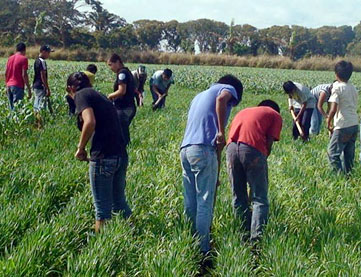
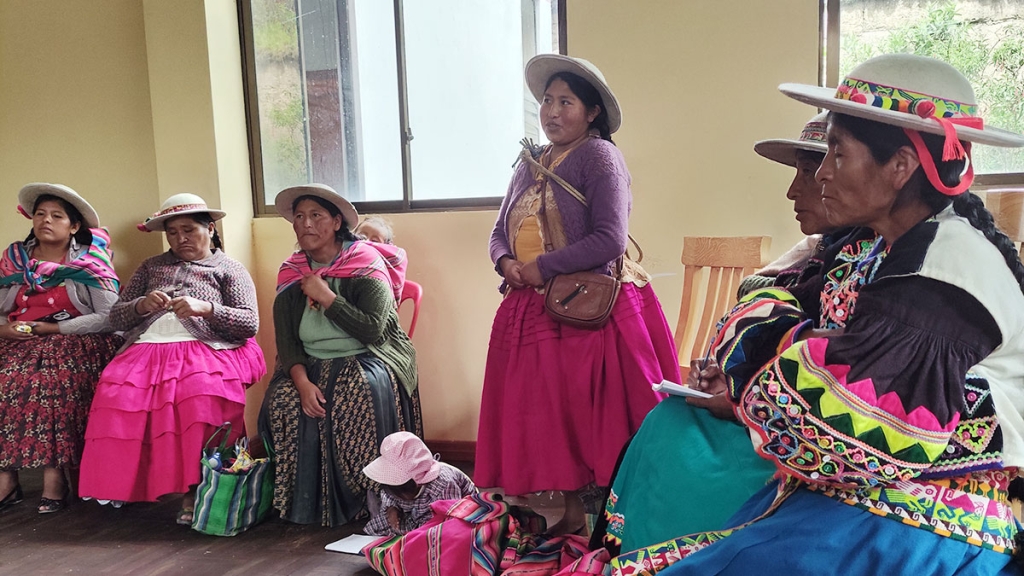
Salesian missionaries also work to address issues related to family violence. Salesian missionaries with Solidaridad Don Bosco have been collaborating and coordinating a project with the Machaqua Amawta Foundation, with the support of Extremadura for International Development Cooperation (AEXCID), to facilitate a project that aims to reduce violence against women in the rural municipalities of Chuma, Ayata and Aucapata, in the Muñecas province within the Department of La Paz, Bolivia.
Women living in the Andes live in a predominantly patriarchal society where men have ultimate authority and exercise their power over women, which often leads to unequal and abusive relationships. Bolivia is high on the list of 13 countries in Latin America with regard to cases of physical violence against women and is second on the list in terms of sexual violence. One woman taking part in the project noted that she feels she is only there to serve men and that by speaking out she risks her life.
The Machaqua Amawta Foundation has identified the need to respond to the discrimination and violence that many of these women experience in their homes. The project has three main objectives. First, to promote more equitable gender relations in the educational community. Then, to try to strengthen the social organizations engaged in working toward the eradication of inter-family violence and political discrimination. And finally, to strengthen local legal services and aid them in developing concrete strategies to prevent and address violence against women, as well as provide adequate and effective assistance.